On 9 February 2026, NEPRA notified the Prosumer Regulations 2026 and repealed the net metering framework that had governed rooftop solar in Pakistan for a decade. If you are sizing a system now, the arithmetic you may have read about two years ago no longer applies.
What actually changed
Net metering worked on exchange. A unit you exported cancelled a unit you imported, one for one, and you settled the difference at the end of the billing cycle. Your roof was, in effect, a battery the size of the national grid.
Net billing breaks that exchange into two separate transactions at two separate prices. You sell surplus at a buyback rate tied to the National Average Energy Purchase Price. You buy from the grid at your normal consumer tariff. Those two numbers are not close to each other.
Reported buyback figures have moved as determinations were revised — press coverage through 2026 has cited rates in the range of roughly Rs 8 to Rs 11 per unit. Import tariffs for domestic and commercial slabs sit far higher, commonly quoted between Rs 35 and Rs 55 per unit before taxes and surcharges. Consumers who held a valid net metering agreement on 9 February 2026 are grandfathered at their existing rate until that agreement expires.
Treat every rupee figure in this article as indicative. Buyback determinations and tariff slabs change, and the regulations have already been through one round of proposed amendment. Confirm the current numbers with your DISCO before you sign anything.
The consequence nobody states plainly
Under net metering, oversizing your array was close to free. Every extra unit you pushed out came back at full value. Designers routinely specified arrays well above the customer’s actual daytime consumption because the grid absorbed the surplus at par.
Under net billing, an exported unit is worth a fraction of an imported one. The value of your system now sits almost entirely in self-consumption — the units you generate and use yourself, which you never have to buy at Rs 40 or Rs 50. Export is a consolation prize.
That single change reverses two design habits:
- Oversized arrays are now a liability, not an asset. Panels that only ever produce units you export are earning you Rs 8 to Rs 11 instead of saving you Rs 40-plus. The payback on that marginal panel is roughly a quarter of what it used to be.
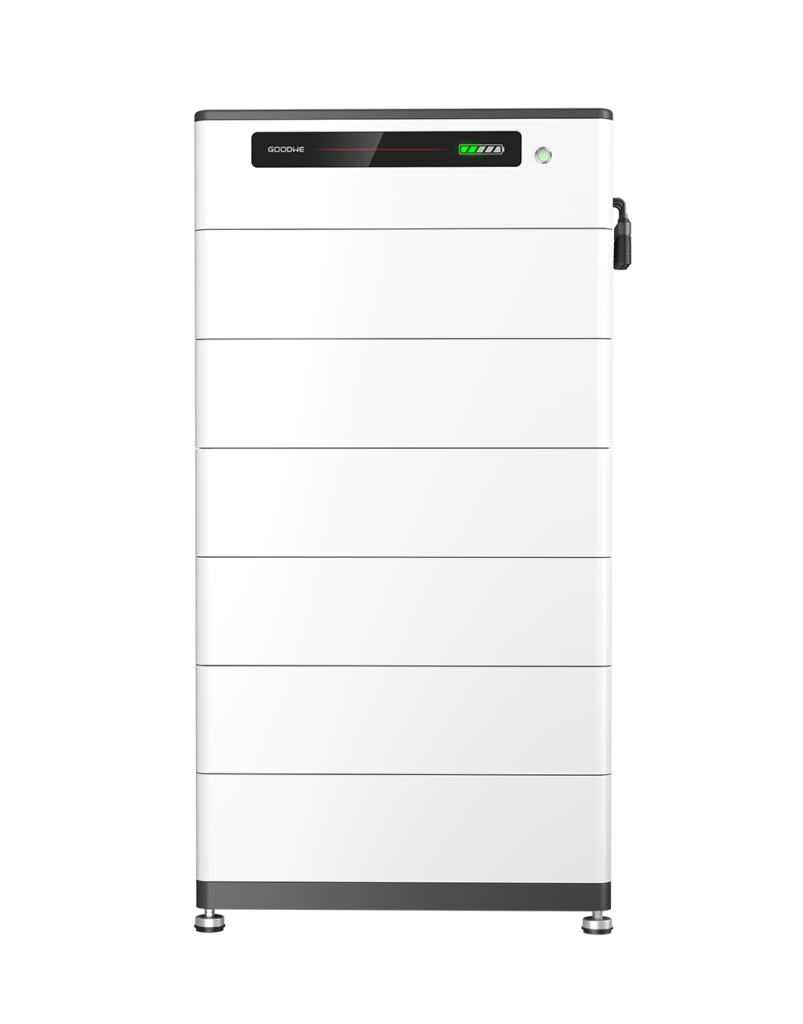
- Storage moved from optional to central. A battery converts an export unit into a self-consumption unit. Under net metering that arbitrage was worth nothing, because export and import were the same price. Under net billing, every kWh you shift from afternoon surplus into evening load is worth the gap between the two tariffs.
How to size a system under the new rules
Start with your load profile, not your bill total. Two customers with identical Rs 60,000 bills need very different systems if one runs a factory shift from 9 to 5 and the other is a household that is empty until evening.
If your consumption is daytime-heavy — offices, schools, retail, most manufacturing, tube wells, cold storage — you are in the best position. Size the array to your daytime baseline. Self-consumption is high by nature, export is minimal, and you may not need much storage at all. On-grid inverters still make sense here.
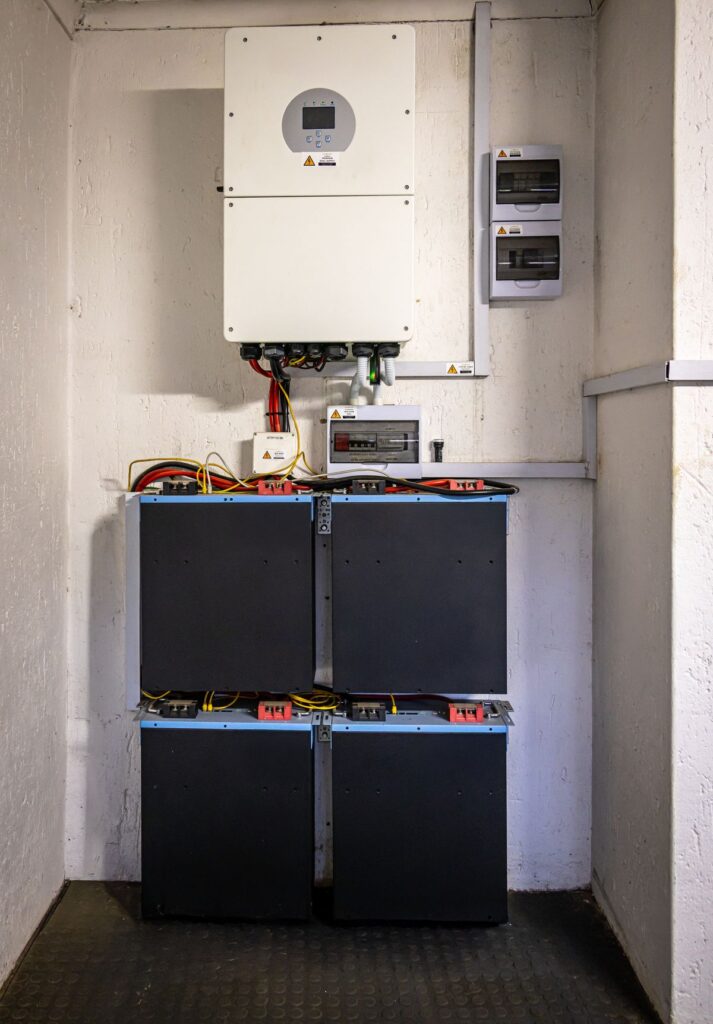
If your consumption is evening-heavy — most homes — a pure on-grid system now performs noticeably worse than it did in 2024. You generate all day while the house is empty, export it at Rs 8 to Rs 11, then buy it back at Rs 45 when everyone comes home. A hybrid inverter and a battery sized to your evening load closes that gap. The battery is no longer a backup accessory; it is the part of the system doing the earning.
If you already have net metering, do not rush to expand. Check your agreement’s expiry date first. Adding capacity may trigger a re-application that moves you onto the new regime and costs you a grandfathered rate you cannot get back. This is worth an hour with someone who reads the paperwork properly.
Costs and paperwork you should budget for
- NEPRA has introduced a non-refundable concurrence fee, reported at Rs 1,000 per kilowatt.
- Interconnection costs — meters, protection, any grid-side upgrade — fall on the prosumer.
- The regulations cover systems from 1 kW to 1 MW, and apply to wind and biogas as well as solar.
- Separately, NEPRA has moved to remove the licence requirement and fee for small solar users, which cuts one step out of the process for domestic-scale systems.
Is solar still worth it?
Yes — but for a different reason than before. It is no longer a scheme for selling power to the grid at retail. It is a hedge against the price you pay for power, which has gone one direction for several years. A well-designed system today is one that maximises the units you never buy, and treats export as a rounding error.
In practice that means: a correctly sized array rather than the biggest one your roof will hold, a hybrid inverter if your load sits in the evening, lithium storage sized to your actual evening kWh rather than to a round number, and honest shading analysis so the array performs the way the spreadsheet says it will.
Get the numbers run properly
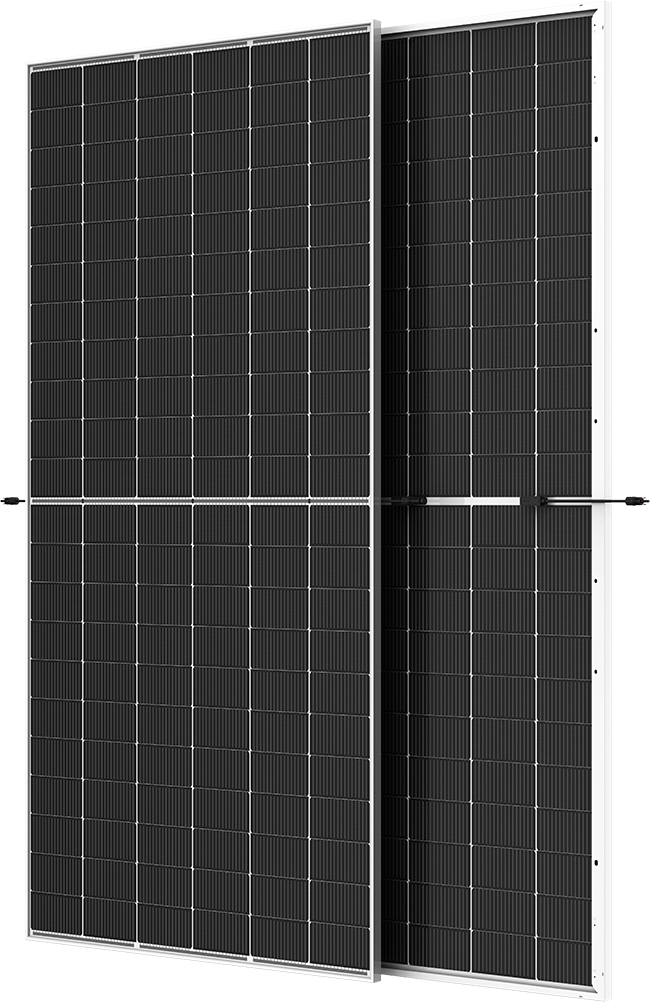
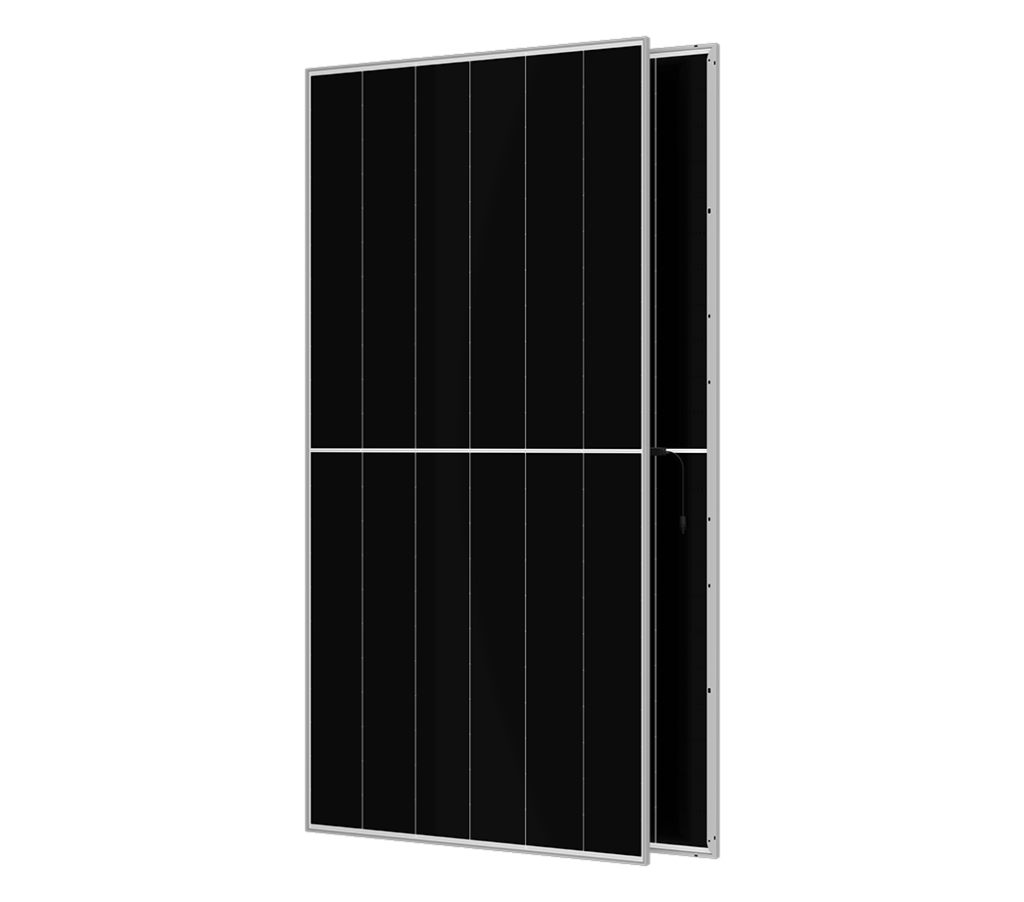
MES Traders supplies panels, inverters and lithium storage from stock in Lahore, and our engineering division, Multi ElectroMechanical Services (Pvt.) Ltd., designs and installs complete systems including civil work, electrical installation and grid connection.
Send us your last three electricity bills and a rough idea of when in the day you use power. We will come back with a design, a self-consumption estimate and a costed bill of materials — not a guess.
WhatsApp 0332 4469992 or email info@mestraders-pk.com.
This article is general information on a policy that is still moving, not regulatory or financial advice. Verify current rates and terms with NEPRA or your distribution company before committing.