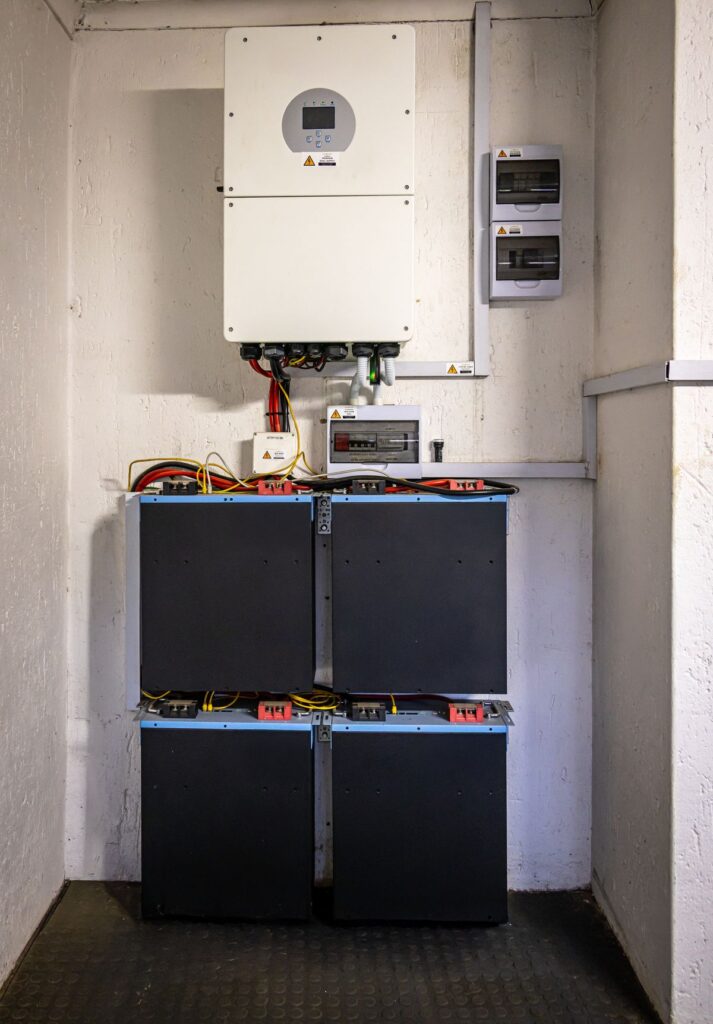
This used to be a simple question. Under net metering, an on-grid inverter was the default and a hybrid was a luxury for people who wanted backup during load shedding. Net billing changed the economics, and the answer now depends almost entirely on when you use electricity.
What the two actually do
An on-grid (grid-tied) inverter converts DC from the panels to AC and feeds it into your building. Anything you do not consume goes out to the grid. It has no battery connection and, critically, it shuts down when the grid goes down — an anti-islanding requirement, not a fault. No grid, no solar, even at noon.
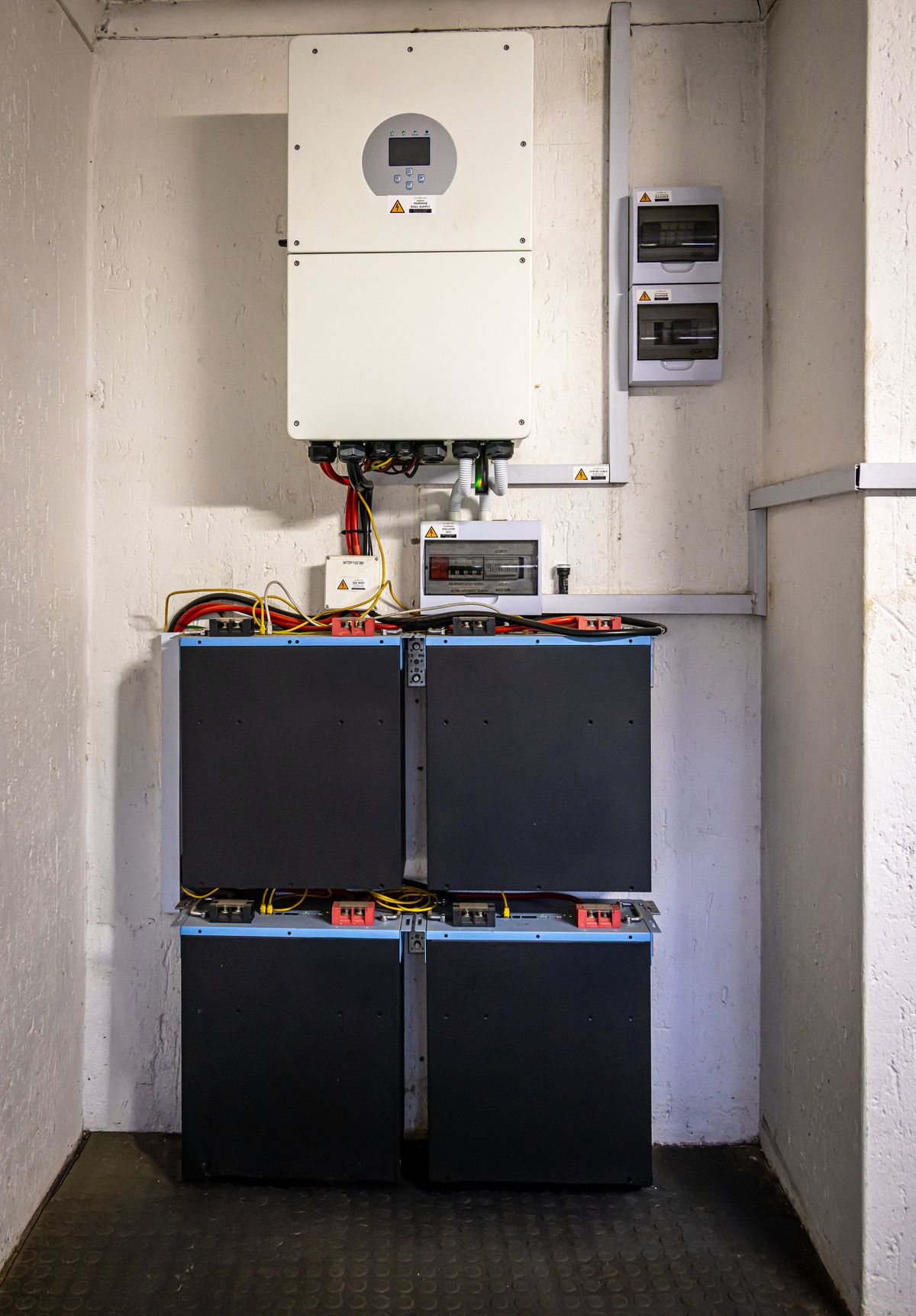
A hybrid inverter does the same job but also manages a battery and can run a backup load when the grid is absent. It decides, moment to moment, whether a generated unit should go to your load, into the battery, or out to the grid.
The test that decides it
Look at when your building draws power, not how much.
Daytime-heavy load — on-grid is usually right
Offices, schools, retail, showrooms, most manufacturing shifts, tube wells, cold storage, ice plants. Your consumption curve sits on top of the solar curve. Almost every unit you generate is consumed on site the second it is made. Export is small, so the low buyback rate barely touches you, and a battery would spend most of its life sitting full.
For these sites, put the money into a bigger array and a good three-phase on-grid inverter rather than into storage. Sungrow SG125CX-P2 and SG150CX, and Huawei’s SUN2000 MB0, MC0 and MG0 ranges, cover most commercial sizes from 12 kW up to 150 kW and beyond.
Evening-heavy load — hybrid, with a battery sized to the evening
Most homes. Also restaurants, wedding halls, hostels and anything that comes alive after sunset. Your generation peaks at 1 pm and your load peaks at 8 pm. With a pure on-grid system you export the surplus at Rs 8 to Rs 11 and buy it back at Rs 45. A battery closes that gap directly — every kWh you shift is worth the difference between the two tariffs.
Sizing rule of thumb: work out your evening and overnight kWh, not your daily total. A house consuming 40 units a day might only need 10 to 12 kWh of usable storage to cover the hours the sun is down. Buying 20 kWh because it sounds safer is money that will never earn back.
Poor or unstable grid — hybrid, regardless
If the supply drops several times a day, the on-grid decision is made for you. An on-grid inverter goes dark with the grid; a hybrid keeps your backup circuit alive. For a site running a UPS or a generator today, a hybrid plus storage often replaces both and pays back on diesel alone.
Single phase or three phase
This follows your connection, not your preference. A three-phase connection needs a three-phase inverter, or you will load one phase and leave the other two idle — and some DISCOs will object to the imbalance during inspection.
Practically: domestic connections up to around 10 to 12 kW are usually single phase. Above that, and for almost all commercial sites, you are on three phase. If you are unsure, the meter tells you — count the incoming conductors, or send us a photo of the meter and we will tell you.
Sizing the inverter against the array
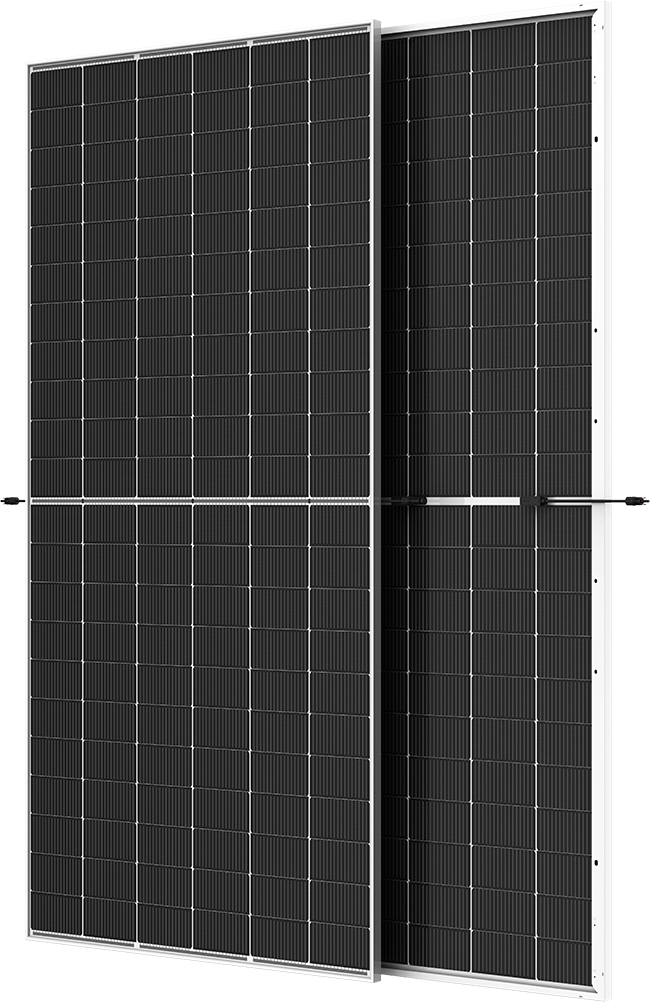
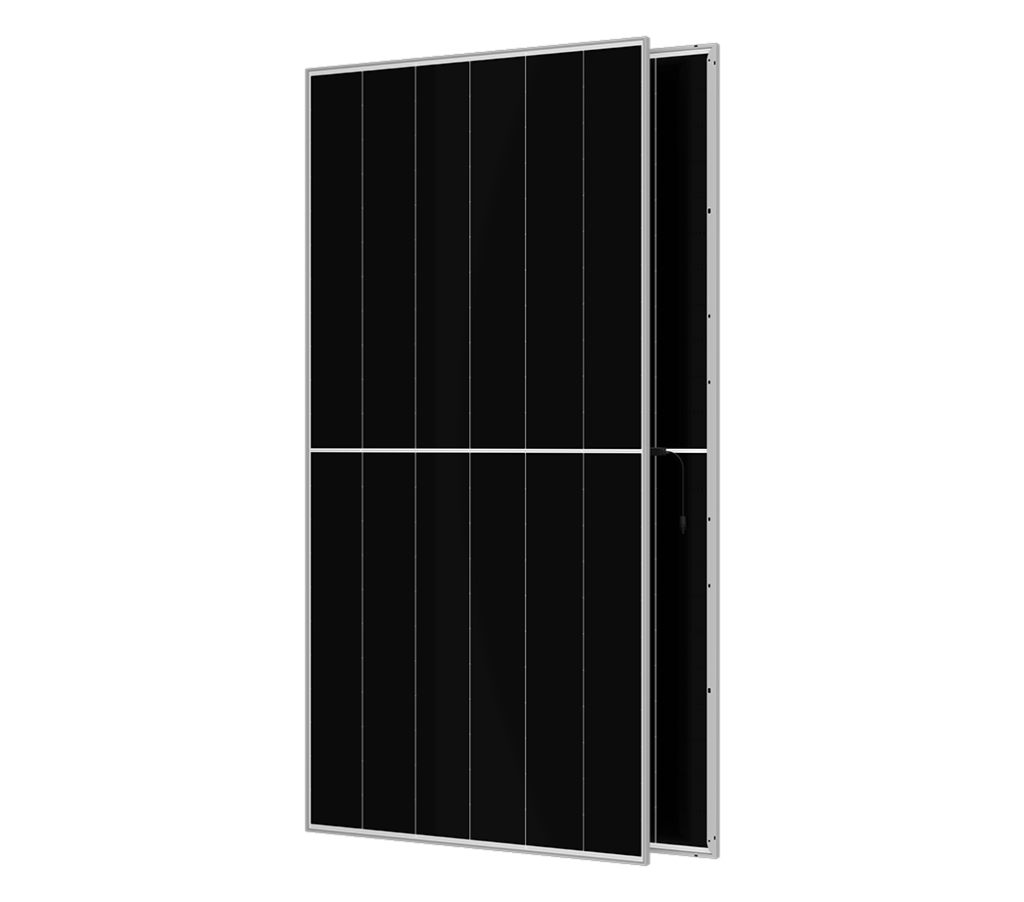
The inverter does not need to match the array watt for watt. A DC-to-AC ratio of roughly 1.2 to 1.3 is normal and deliberate: your array only hits its rated output for a short window on a clear day, and slightly oversizing the DC side raises generation across the whole morning and afternoon. Clipping a few minutes of peak is a good trade.
Where people go wrong is the other direction — running an array well beyond the inverter’s maximum DC input or exceeding its string voltage window on a cold winter morning, when Voc rises. Check the inverter’s maximum input voltage against the array’s Voc at the lowest temperature your site sees, not at 25°C. This is the single most common design error we are asked to fix.
Features that actually matter in Pakistan
- Dust and IP rating. An IP65 or IP66 enclosure is not marketing in this climate. Dust ingress kills inverters long before their electronics wear out.
- Temperature derating. Every inverter derates above a certain ambient temperature. Check where that threshold sits and where you plan to mount the unit. A west-facing wall in Multan is a different environment from a shaded plant room.
- Generator compatibility. If the site has a genset, confirm the hybrid can run alongside it and set the charging behaviour properly. Not every model handles a generator gracefully.
- Battery protocol support. A hybrid inverter and a lithium battery have to speak the same language over CAN or RS485. Pairing an inverter with a battery it does not have a tested profile for is how you end up with a system that will not communicate on commissioning day.
- Monitoring. A WiFi dongle or data logger is cheap and tells you within a week if a string has failed. Without it, a dead string can go unnoticed for a year.
A short honest answer
If your building runs in daylight and your grid is stable, buy an on-grid inverter and spend the saving on more panels. If your load is in the evening, or your supply is unreliable, buy a hybrid and size the battery to your evening kWh. Anything else is fitting the site to the equipment rather than the equipment to the site.
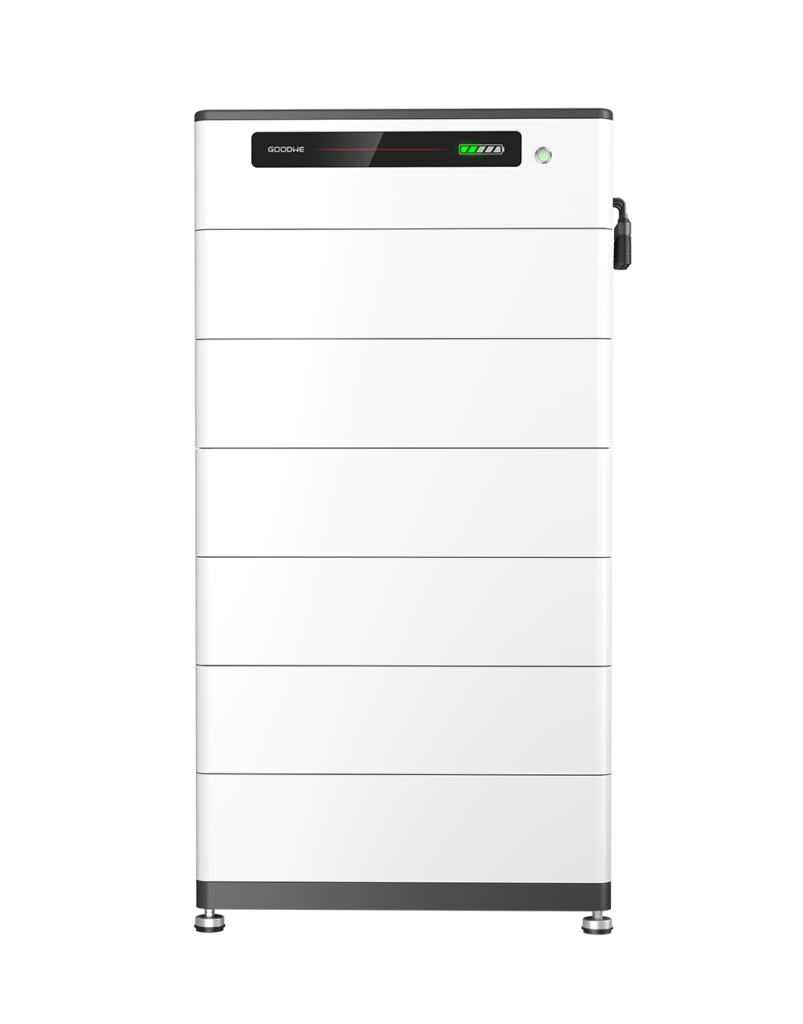
MES Traders stocks on-grid inverters from Sungrow and Huawei, and hybrid inverters from GoodWe, Solis and AlpSolar, alongside Pylontech, BYD and GoodWe lithium storage. Our engineering division handles full installation and grid connection.
Send your load details and a photo of your meter to WhatsApp 0332 4469992, or email info@mestraders-pk.com, and we will specify it properly.